Vision Rehabilitation After Stroke or Neurological Conditions
A stroke or neurological condition can change how the brain processes visual information.
This may affect:
- Awareness of one side
- Balance and movement
- Reading and daily activities
Our assessments are gentle, structured, and focused on understanding practical difficulties — helping patients and families make sense of what’s happening.
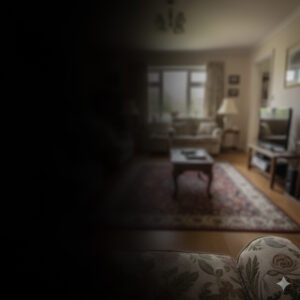
This image represents the vision of someone with a left sided hemianopia vision less. None of the left side of each eye is able to see into this area.
We have techniques to help with this type of vision loss, and although we cannot bring the vision back we help you to adapt to it.